The Art of the Emergency Gift: What to Do When Unique Ideas Vanish Last Minute
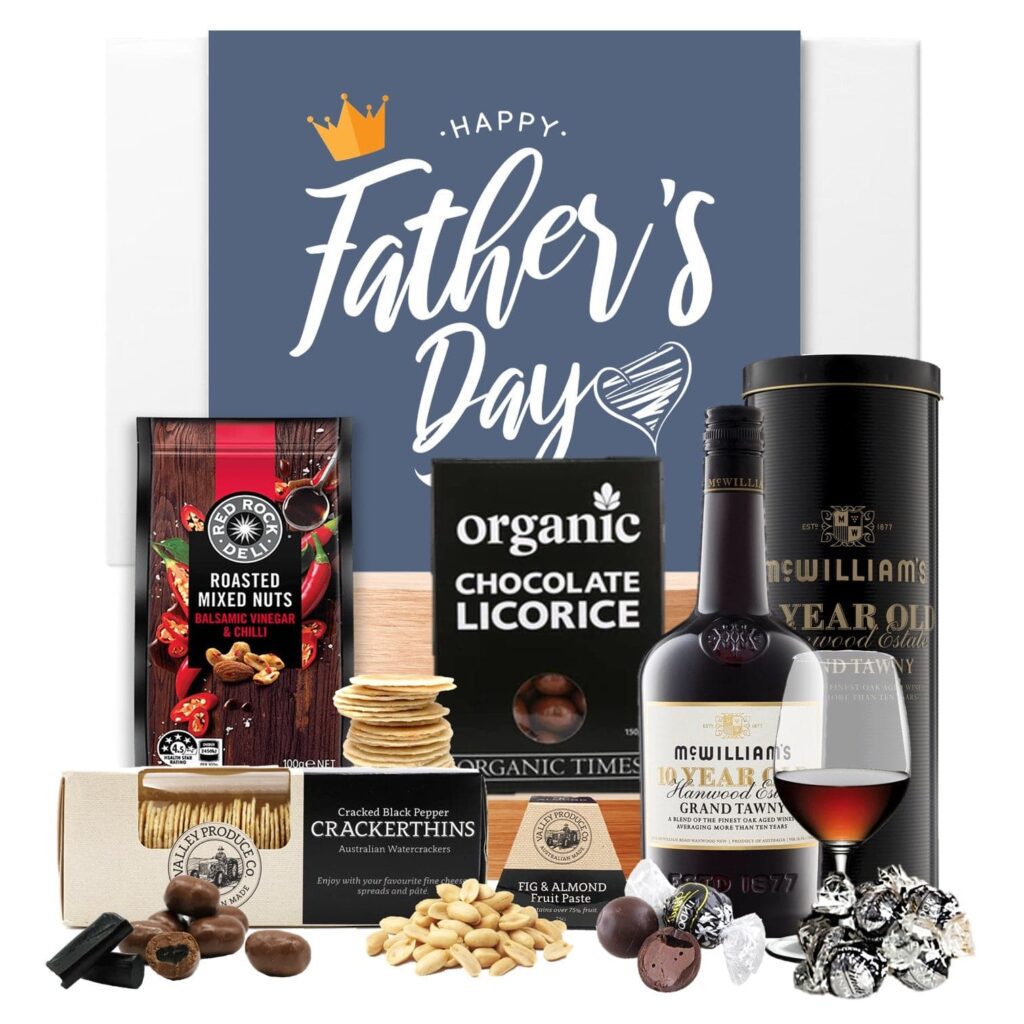
Let’s be honest. It’s a sinking feeling, isn't it? You look at your calendar—Father’s Day falls on Saturday. Your partner/mother is already doing their best to manage an impossible schedule, and you are staring into the void where "thoughtful" used to live. The pressure is immense because this gift needs to say, without any doubt, that you really know him. You need to appear impeccably thoughtful—the kind of thoughtfulness only a hamper full of artisan cheeses and miniature bourbon decanters can convey.
You've scrolled through Pinterest until your thumb aches, browsed Amazon for the 40th time, and cycled through "things he might like" (which usually translates to: things that involve coffee or grilling). The realization hits you: you have nothing unique. You’re out of ideas.
Take a deep breath.
Here is the secret nobody tells you about gifting: The gift isn't about the objects; it's about the story. When time runs out, stop thinking like a shopper and start thinking like a curator. We are going to pivot from finding things to curating an entire experience.
The Mindset Shift: From Shopping List to Storyboard
When we panic-buy, we tend to accumulate random items—a gadget here, a book there, some fancy socks. This makes the gift look like a pile of things. A truly successful gift, especially one that justifies a gourmet price tag, feels intentional. It feels narrative-driven.
Think about this: Why do people rave about those beautifully curated gourmet boxes? Because they aren't just buying crackers and jam; they are buying the perfect afternoon. They are buying the excuse to slow down, pour a glass of wine, and sit together. You need to build that emotional framework around whatever you end up purchasing.
Here is your immediate task: Forget "gifts for Dad." Instead, ask yourself: "What moment do I want him to experience this weekend?"
Are we aiming for:
- The cozy Sunday morning ritual?
- The sophisticated evening of relaxation?
- The perfect fuel for a quiet afternoon spent in his workshop/garden?
Once you define the moment, the shopping list becomes incredibly easy. The objects are just props to set the scene.
Three Ways to Curate an Unforgettable Emergency Gift
If Chocolate Gift Box your brain is currently running on fumes and caffeine, don’t try to tackle everything at once. Use one of these three strategic frameworks. They require minimal deep thought but yield maximum perceived effort.
1. The Sensory Immersion Kit (The "Feel Good" Approach)
This strategy focuses entirely on the senses—sight, smell, sound, touch, and taste. It’s perfect because high-quality sensory items naturally read as luxurious and thoughtful. This is where a gourmet hamper excels, but you can do it for any niche.
- Taste: A specialized snack box (e.g., exotic olives, artisanal chocolate truffles).
- Smell/Sight: High-end scented candles or a beautifully arranged set of coffee beans with a unique roast profile.
- Touch: A luxury pair of socks or a soft throw blanket that begs to be used on the couch.
Pro Tip for Elevating Value: Don't buy all these items from one place. Buy them from three different, niche local shops (a cheese shop, a candle maker, and a roaster). The sheer variety and disparate origins tell an immediate story of effort.
2. The Skill-Building Companion (The "Growth" Approach)
If your father is someone who loves learning or improving, lean into that. This shows you respect his intellectual curiosity. These gifts aren't just items; they are tools for self-improvement.

- Example: If he likes whiskey, don't just buy a bottle. Curate a "Whiskey Tasting Starter Kit" containing three different regional bottles, two types of pairing snacks (dark chocolate and candied nuts), and a comprehensive guide/book on the history of barrel aging.
- Alternative: For the reader who is stumped by tech ideas, consider a subscription box for something tangible—like monthly exotic spice blends or rare coffee beans—that keeps giving after the initial shock wears off.
3. The Shared Memory Experience (The "Us" Approach)
This is the highest-impact category because it’s inherently personal and cannot be bought off a shelf. It costs time, not money.
Remember my friend Sarah? She was stuck last year trying to buy something for her dad who claimed he had everything. She almost gave up until she realized the core theme of their relationship wasn't "things," but time. So, instead of buying gadgets, she spent an entire Saturday afternoon creating a "Memory Jar" filled with handwritten notes detailing specific moments: "Remember that time we got lost hiking and laughed until our stomachs hurt?" or "Thinking about your advice on X the day I started my job."
That effort—the sheer labor of love—is priceless. You can pair this emotional anchor with a simple, high-quality item (like a nice bottle of wine) to round out the presentation, but the real gift is the curated nostalgia.
Making It Look Effortless: Presentation Matters
The difference between a thoughtful hamper and a "dumpster fire" pile of Click here! stuff often comes down to packaging and narrative. You need to make it look like you spent weeks on this, even if you spent three hours.
- Use the right vessel: Skip the flimsy gift bag. Use a beautiful wooden crate, a woven basket, or a reusable canvas tote that matches the theme (e.g., dark wood for whiskey, natural fibers for gardening).
- The Handwritten Card is Mandatory: Never skip this step. The card should not say "Happy Birthday." It must articulate why you chose specific items. "I picked out these three jams because I know how much you love a good charcuterie board, and I wanted us to have the perfect centerpiece for our Saturday afternoon." This explains the vision.
- The Little Extra: Always include one small, utterly unexpected item that requires no explanation—a favorite gourmet brand of tea bags, a fancy paper bookmark, or a single unusual candy. It shows you were paying attention to the tiny details of his life.
Gift-giving anxiety is part of being human. We want our loved ones to feel seen and celebrated, and sometimes, "seen" feels like it requires a budget for small countries. But remember this: thoughtfulness isn't measured in dollar amounts; it's measured in the emotional connection you manage to curate. Focus on building a story—a ritual, an afternoon, or a shared moment—and the perfect items will naturally fall into place around that core theme.
Next time the panic hits, take a breath, look at his life, and ask yourself: What kind of beautiful, slow-paced memory am I helping him create? That answer is always enough.